Companion Planting for Herbs: What to Grow Together in the UK
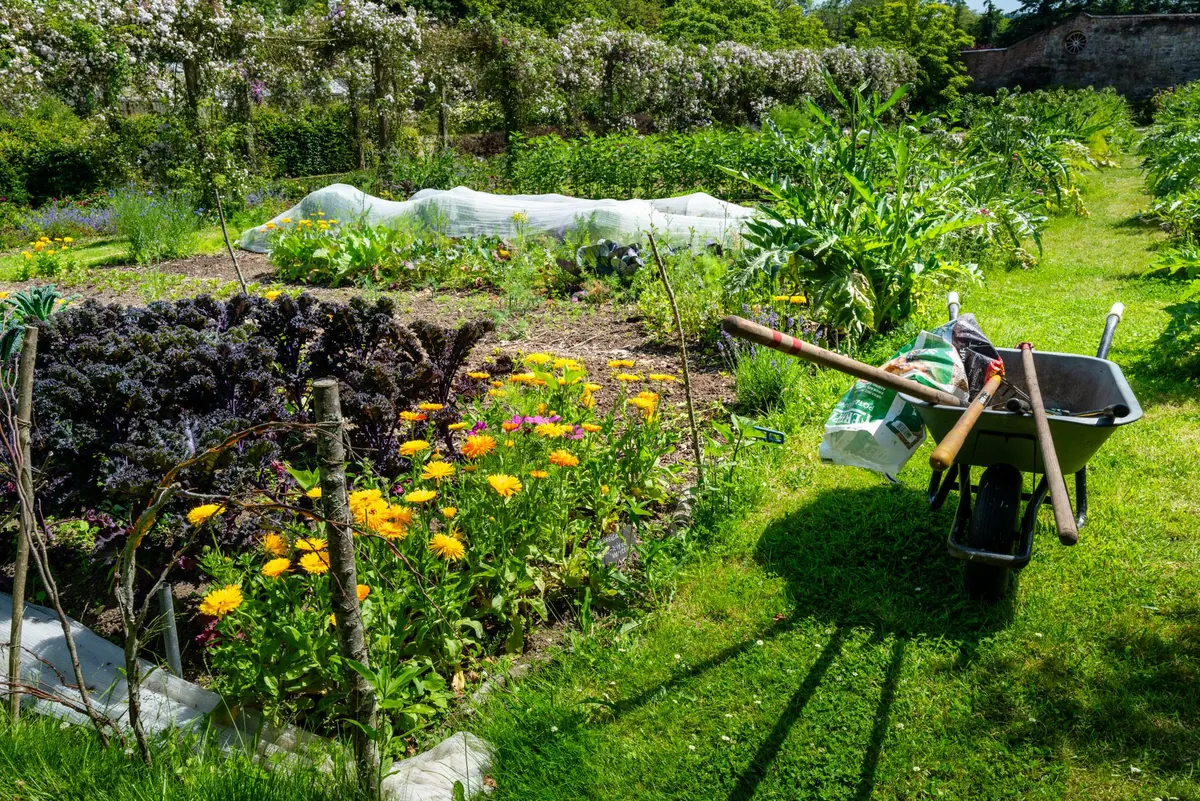
Some of the best planting combinations in a kitchen garden were worked out long before anyone could explain them properly. Chives along a row of carrots. Borage sprawling through the courgettes. Basil wedged in beside the tomatoes in a greenhouse bed. None of it is magic, but it is not random either.
Herbs earn their place as companions for three reasons. They are strongly scented, they flower freely, and most stay small enough to slot into gaps where a cabbage or a potato plant would never fit. Use them well and you get fewer pests, more pollinators, and beds that look and behave far less like a monoculture.
How herbs actually help
It is worth being honest about what is well understood and what is tradition. The ecology behind some pairings is solid, backed by decades of observation by growers and entomologists. Other combinations have been passed down for centuries and never properly tested. That does not make them wrong — it means you should treat them as cheap experiments rather than guarantees. Never rely on a companion plant as your only pest control; keep walking the plot and checking leaves.
The mechanisms that hold up best are these:
- Confusing pests by scent. Strongly aromatic foliage — rosemary, sage, thyme, mint — masks the smell of the host plant that pests home in on. Carrot root fly and cabbage white butterflies both navigate largely by scent.
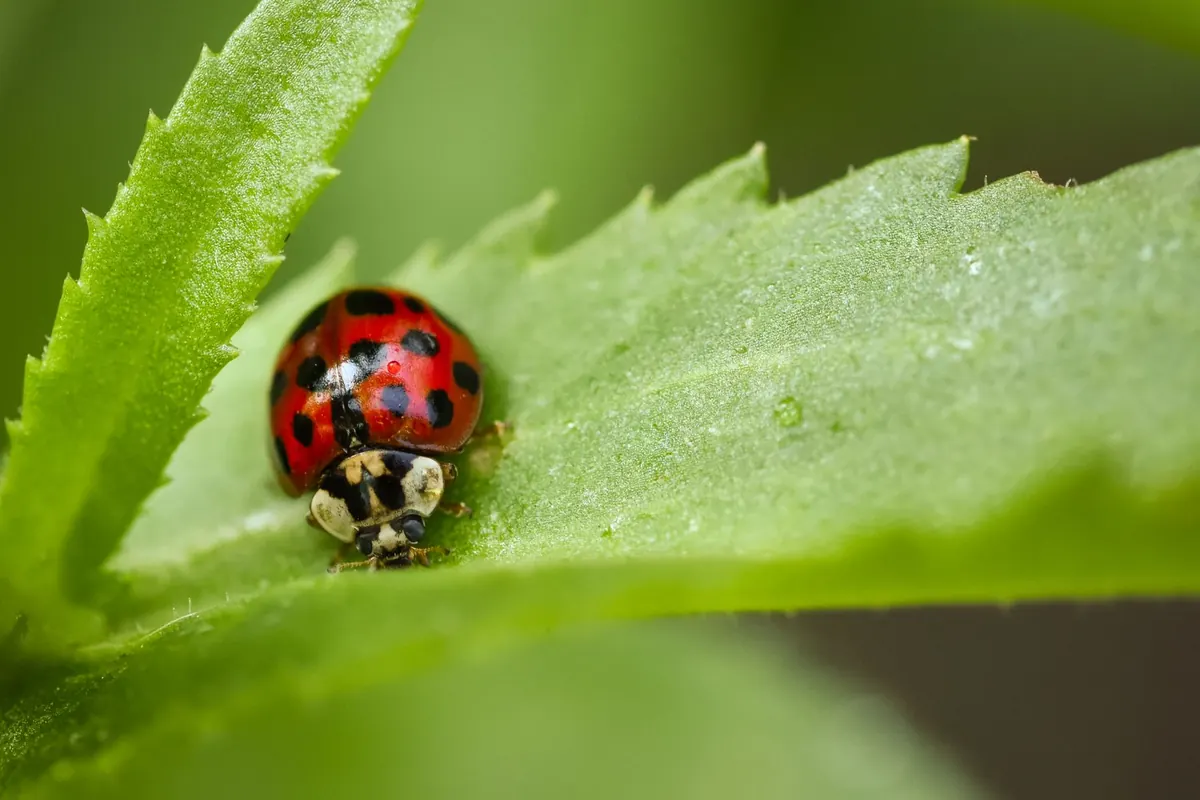
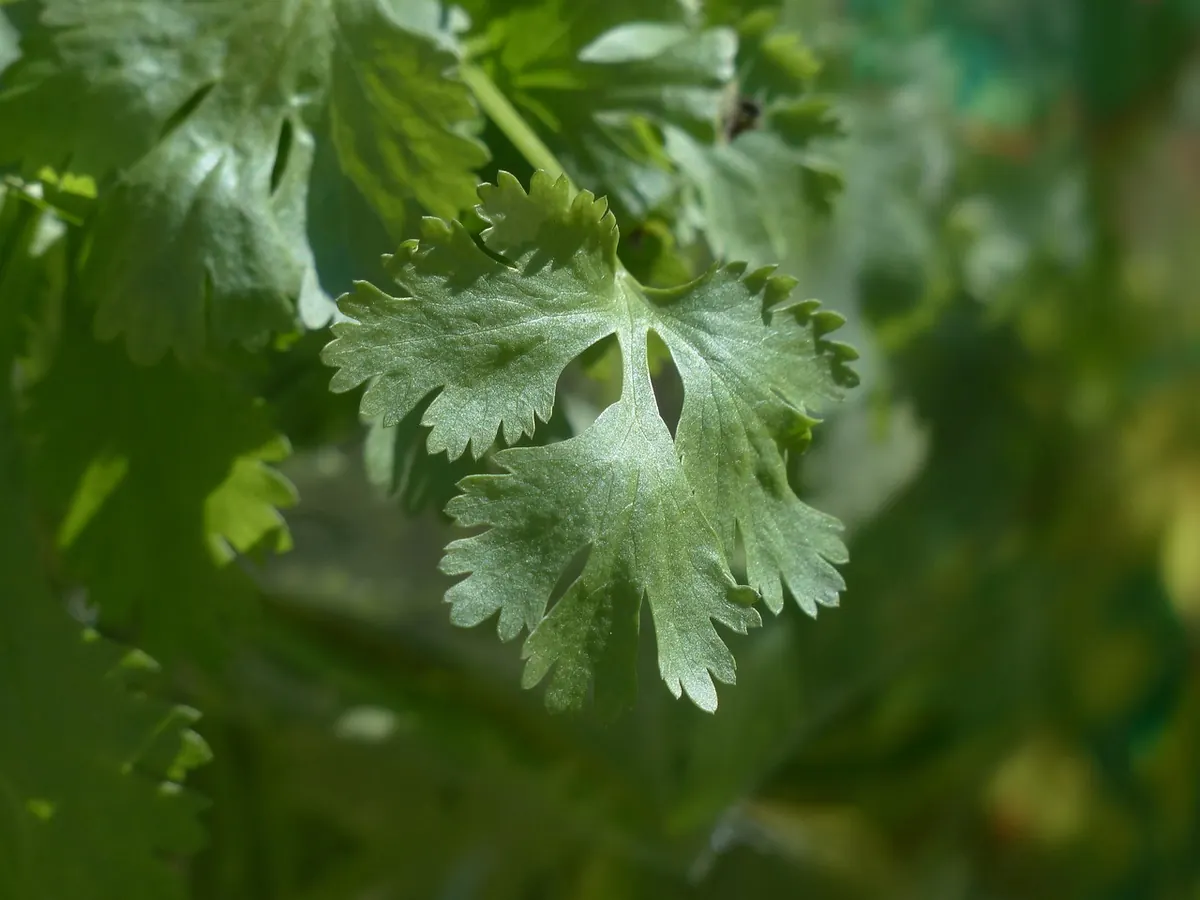
- Feeding the predators. Open, shallow flowers such as dill, coriander, chervil and fennel are easy landing pads for hoverflies and tiny parasitic wasps, whose larvae eat aphids by the hundred.
- Pulling in pollinators. Borage, chives, thyme and oregano are magnets for bees. More visits to courgettes, runner beans and fruiting crops generally means better pollination and a heavier set.
- Covering bare soil. Creeping thyme and low-growing oregano act as a living mulch, shading out weeds and slowing evaporation around slower crops.
- Breaking up the pattern. A bed with mixed leaf shapes, heights and colours is harder for a pest to colonise than a neat block of one crop.
Reliable pairings for UK beds
These are the combinations most growers come back to, season after season. They suit our climate, our pests and the way most of us actually plant — in small beds, raised boxes and pots.
- Tomatoes and basil. The classic. Basil is traditionally said to deter whitefly, and the two crops want the same warm, sheltered spot. In a greenhouse, tuck bush basil around the base of the plants.
- Carrots and chives, spring onions or leeks. Alliums are the old answer to carrot root fly. Keep the rows close but not touching, and snip a few chives for the kitchen as you pass.
- Brassicas with rosemary, sage or thyme. Cabbage white butterflies seem put off by a haze of strong scent around kale, cabbage and broccoli. Plant the woody herbs at the bed's edge, where digging will not disturb them.
- Beans and peas with summer savory and borage. Summer savory is the traditional companion for broad beans, and borage's blue flowers bring in bees while the pods are setting.
- Courgettes and squash with borage or nasturtium. Both sprawl happily alongside, and nasturtium works well as a trap crop for aphids.
- Salad leaves with chervil, coriander and dill. The soft, feathery foliage shelters young salad from harsh sun, and the flowers bring in beneficial insects once the plants bolt.
Do not try to fit all of this into one bed. Two or three pairings is plenty; cramming in more simply means everything competes for light, water and nutrients, and the vegetables usually lose.
Let some herbs flower
If you cut every stem for the kitchen, you lose half the benefit. Coriander and dill run to seed quickly in heat anyway, so rather than fighting it, leave a patch to bloom and save the seed for next year. Chives throw pink pom-poms in late spring, thyme flowers in early summer, oregano in July. All of them feed bees when little else is open.
Mint flowers are excellent for pollinators too, but grow it in a pot sunk into the soil, or in a container on its own. Left loose in a bed it will travel, and no vegetable appreciates the competition.
Pairings that cause more trouble than they are worth
Some herbs are better kept to themselves, either because they hinder their neighbours or because they share the same pests.
- Alliums with beans and peas. Traditional advice holds that onions, garlic, chives and leeks suppress legumes. Whether the cause is root chemistry or plain competition, the results are rarely impressive. Keep them in separate beds.
- Dill, fennel, parsley and coriander with carrots. They belong to the same plant family and share the same enemies, carrot root fly included. Plant them well apart or you are simply building the pest a bigger target.
- Fennel. Tall, deep-rooted and widely reported to hold back its neighbours. Give it a corner of its own, at the back of a border or in a large pot.
- Rue. Not one to brush past on a sunny day — its sap can cause a blistering skin reaction. Wear gloves, and keep it away from paths and play areas.
Making it work in pots and small plots
In a small garden, the herb layer often does more work than the vegetables. Rosemary, sage, thyme and oregano are hardy perennials that will sit at the edge of a bed for years. Basil, coriander, dill and borage are tender annuals that need warmth, so start them indoors or in a greenhouse and plant out once nights are reliably mild.
In containers, competition is the thing that catches people out. One tomato plus one basil plant in a 30cm pot is about the limit; anything more and both suffer through the summer. Keep herbs clipped so they do not shade the crop, water consistently, and feed tomatoes weekly once the first trusses set. In raised beds, plant herbs at the margins and in the gaps between slower rows, and keep mint and fennel out of the middle entirely.
Start with three pairings this season
Companion planting works best when you treat it as a running experiment rather than a rule book. Try this:
- Choose three pairings — one for pest confusion, one for pollinators, one to fill a gap. Carrots with chives, courgettes with borage and tomatoes with basil make a good first year.
- Plant them in the same bed but in separate stations, so nothing is crowding anything else.
- Leave a few herbs to flower, and resist the urge to tidy them away.
- Note what you see each week: aphid numbers, bee activity, whether the carrots come out clean.
A small notebook by the back door does more for your garden than any chart. By the end of the season you will know which pairings earn their space in your soil, in your climate, on your plot — and next spring you can build on the ones that worked. That is the real pleasure of growing herbs among vegetables: two harvests from one bed, and a garden that quietly looks after itself a little better each year.
Photo: Bob Jenkin / Pexels