Natural Aphid Control for Herb Gardens: 7 Organic Methods
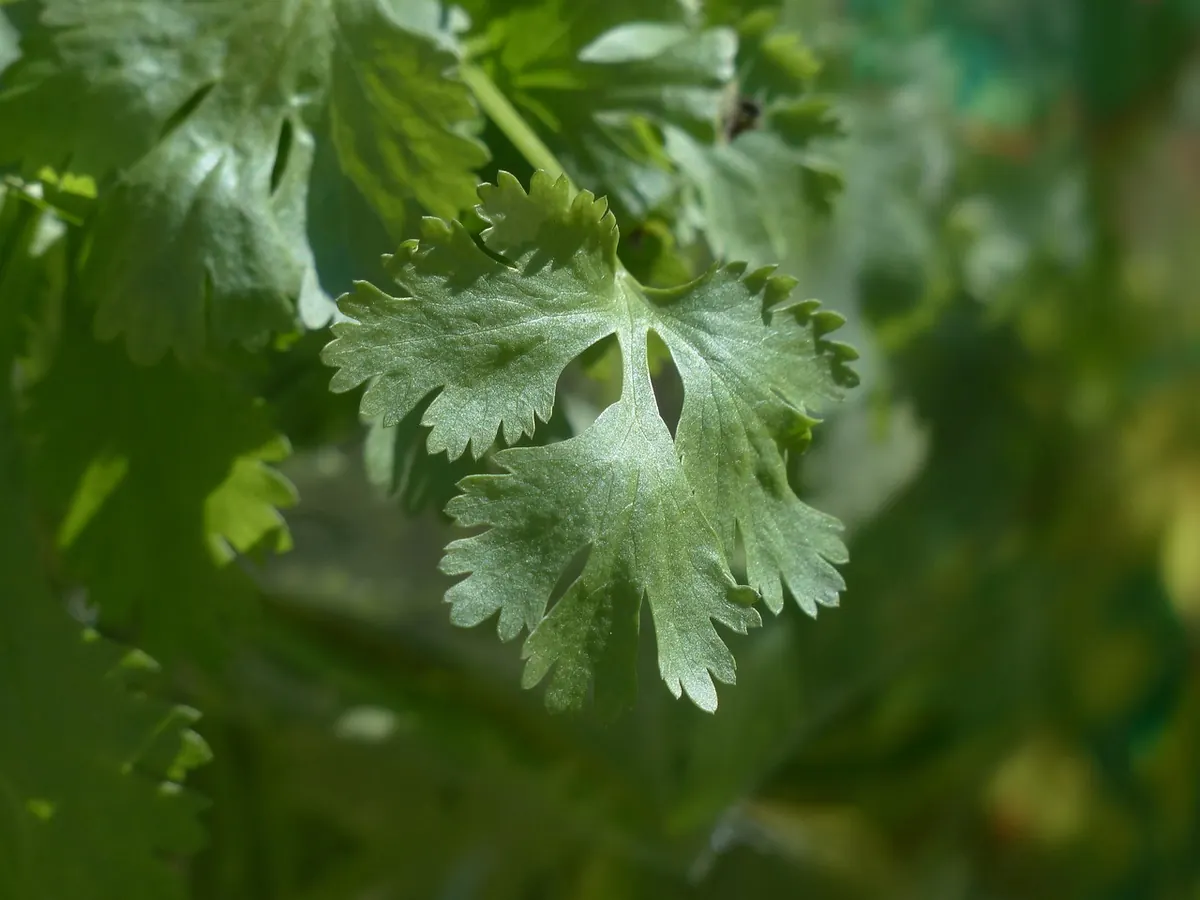
Aphids find herbs before most gardeners find their secateurs. They settle on the softest new growth first — the top few centimetres of coriander, the growing tip of basil, the fresh shoots of mint — and multiply quietly until a whole row looks grey and puckered. Then comes the honeydew, a sticky film that coats the leaves, followed by sooty mould and columns of ants patrolling the stems like farmers checking their livestock.
It rarely needs to become a crisis. Herbs are fast, forgiving plants, and the organic methods below work well if you start early and repeat them. All of them are suitable for plants you intend to eat from, as long as you take the usual sensible precautions: test any spray on a few leaves first, keep sprays away from open flowers where bees are working, and rinse your harvest.
1. Pick and squash, twice a week
Your hands are the most targeted tool you own. Aphids cluster in plain sight once you know where to look: on the underside of leaves, along the newest stems, and tucked into the growing points where leaves are still folded. Run a thumb and forefinger up each stem and crush what you find, or knock the colonies into a cup of soapy water. If the idea of squashing them puts you off, a soft paintbrush or a strip of sticky tape does the job just as well.
Two minutes of this, twice a week, is enough to keep most herb pots clean. Do it in the morning, when aphids are sluggish and less likely to drop to safety. While you are there, check for ants. Ants farm aphids and will carry them back onto your plants, so wiping out a trail with a damp cloth or interrupting it with a greased band around a pot rim makes a real difference.
2. Blast them off with water
A firm jet of water dislodges aphids, and once they are on the ground they seldom find their way back up. Use a spray bottle for pots and a hose with a fine nozzle for beds, angling the spray upwards under the leaves rather than down onto them. Cup your other hand behind a stem to support it — basil in particular snaps easily.
Timing matters. Water in the morning so the foliage dries before evening, which lowers the risk of fungal problems such as downy mildew on basil. One drench rarely settles the matter; repeat on two or three consecutive mornings, then go back to your weekly checks.
3. Recruit ladybirds, hoverflies and lacewings
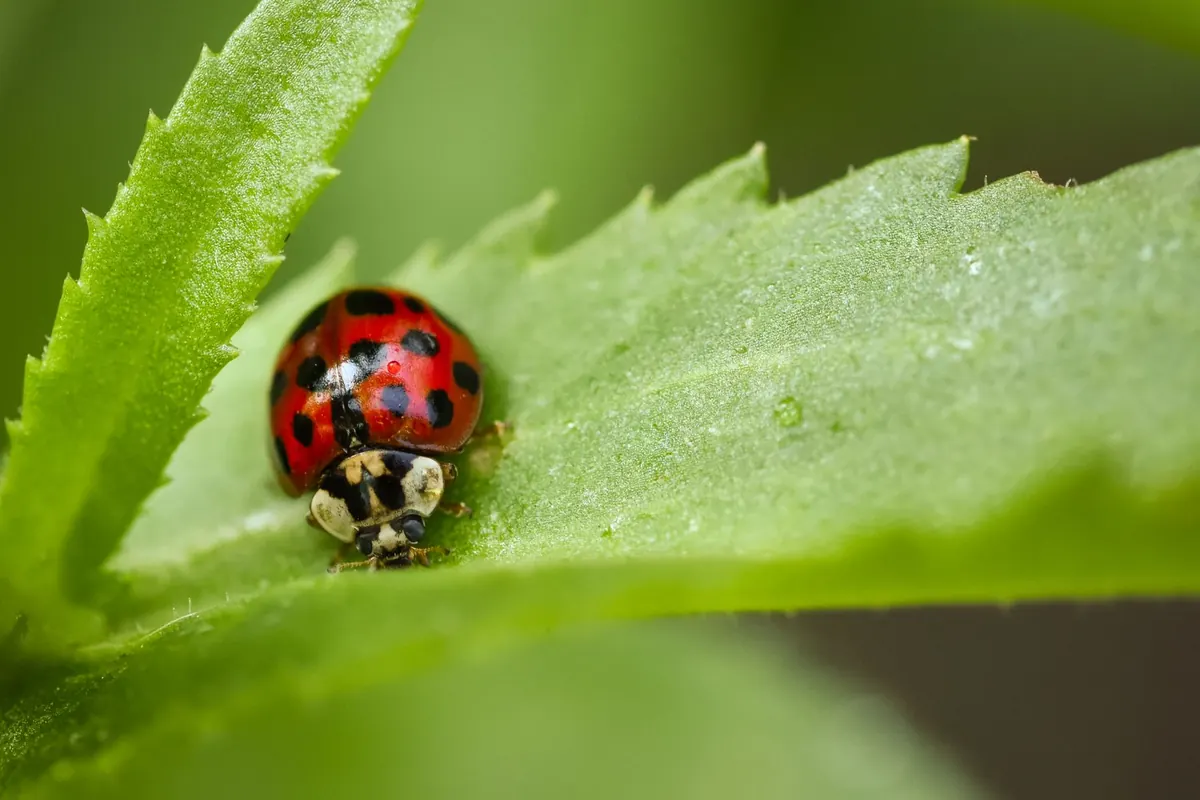
A healthy garden does much of this work for you. Ladybird larvae — small, armoured, faintly crocodilian — patrol stems and eat their way through aphid colonies. Hoverfly larvae, which look like little green maggots, and lacewing larvae do the same. The adults of all three feed on nectar and pollen, so they need flowers to stay.
Plant these near your herbs, in pots or borders:
- Calendula and French marigolds, which flower for months
- Sweet alyssum, a low carpet of tiny blooms that hoverflies love
- Poached egg plant, unbeatable for hoverflies in early summer
- Yarrow, dill and fennel, left to flower once you have finished cutting
Leave a few coriander and dill plants to run to flower and seed. The white umbels are magnets for beneficial insects, and you get free seed for next year. Add a shallow dish of water with a few pebbles in it so insects can drink safely.
One rule follows from all this: if the predators have arrived, put the sprays away. Soap and oil preparations kill hoverfly larvae and ladybird larvae as readily as they kill aphids.
4. Plant companions that confuse and distract
Companion planting is not a force field, and no herb will be aphid-proof because of a marigold nearby. Used well, though, it lowers the pressure. Strongly scented neighbours — chives, garlic chives, spring onions, ornamental alliums — seem to mask the smell of tender herbs, making them harder for winged aphids to find. Keep them close to work, ideally in the same pot or within about 30cm of the herbs you are protecting.
Nasturtiums are the other reliable companion: aphids adore them. Grow them as a draw, then inspect and deal with the colonies on the nasturtium rather than on your basil. Mint works in a similar but more invasive way, so keep it in its own pot.
5. Mix your own sprays
Soap spray
Soap spray works by contact, so it has to hit the aphid directly, and it leaves no residue to protect the plant afterwards. Mix a teaspoon of pure liquid soap — the kind sold for plants, made from potassium salts of fatty acids — into a litre of water. Do not use washing-up liquid or dishwasher detergent; they strip the protective waxes from leaves.
- Spray one leaf and wait a day to check for damage.
- Apply in the cool of the evening, covering both sides of the leaves.
- Repeat every three or four days while aphids persist.
- Rinse herbs in clean water before you eat them.
Never spray in full sun, and never spray open flowers. Neem oil and horticultural oils are the bought equivalents — follow the label exactly, since concentrations vary.
Garlic and chilli spray
Crush three garlic cloves, chop one chilli, and steep both in a litre of hot water overnight. Strain, add a drop of soap to help it cling, and spray. This is a repellent more than a killer, so reapply after rain or after you water overhead. Label the bottle, keep it out of reach of children, and avoid getting it in your eyes.
6. Trap crops, barriers and better airflow
A sacrificial pot of coriander near a greenhouse door or at the end of a row will take the first hit of the season. Check it every few days and, once it is crawling, pull the whole plant and bin it rather than composting it. For crops you sow in rows, fine insect mesh laid over a frame keeps winged aphids out completely; lift it when plants flower, or accept that a flowering strip elsewhere in the garden will keep pollinators busy.
Conditions matter as much as interventions. Thin your sowings so air moves between plants, water steadily rather than in floods and droughts, and go easy on nitrogen-rich feeds. Rich, soft, sappy growth is exactly what aphids are looking for. Regular harvesting does quiet work too: every time you cut basil, mint or coriander for the kitchen, you remove the tender tips aphids want most.
A routine that keeps aphids small
Aphid problems are usually small problems that were left alone. Twice a week, walk the herb pots with your fingers and a spray bottle, checking growing tips and leaf undersides. Squash what you find, jet off anything you miss, and keep flowers in the garden for the insects that will do the work for you.
If a plant is badly infested and looks tired, cut it back hard rather than fighting for weeks. Most herbs — mint, basil, coriander, chives — push out fresh, clean growth within a fortnight, and you can start again with the habits above already in place.
Photo: Alexas Fotos / Pexels