How to Grow Sage in Pots: A Beginner's Guide for UK Gardens
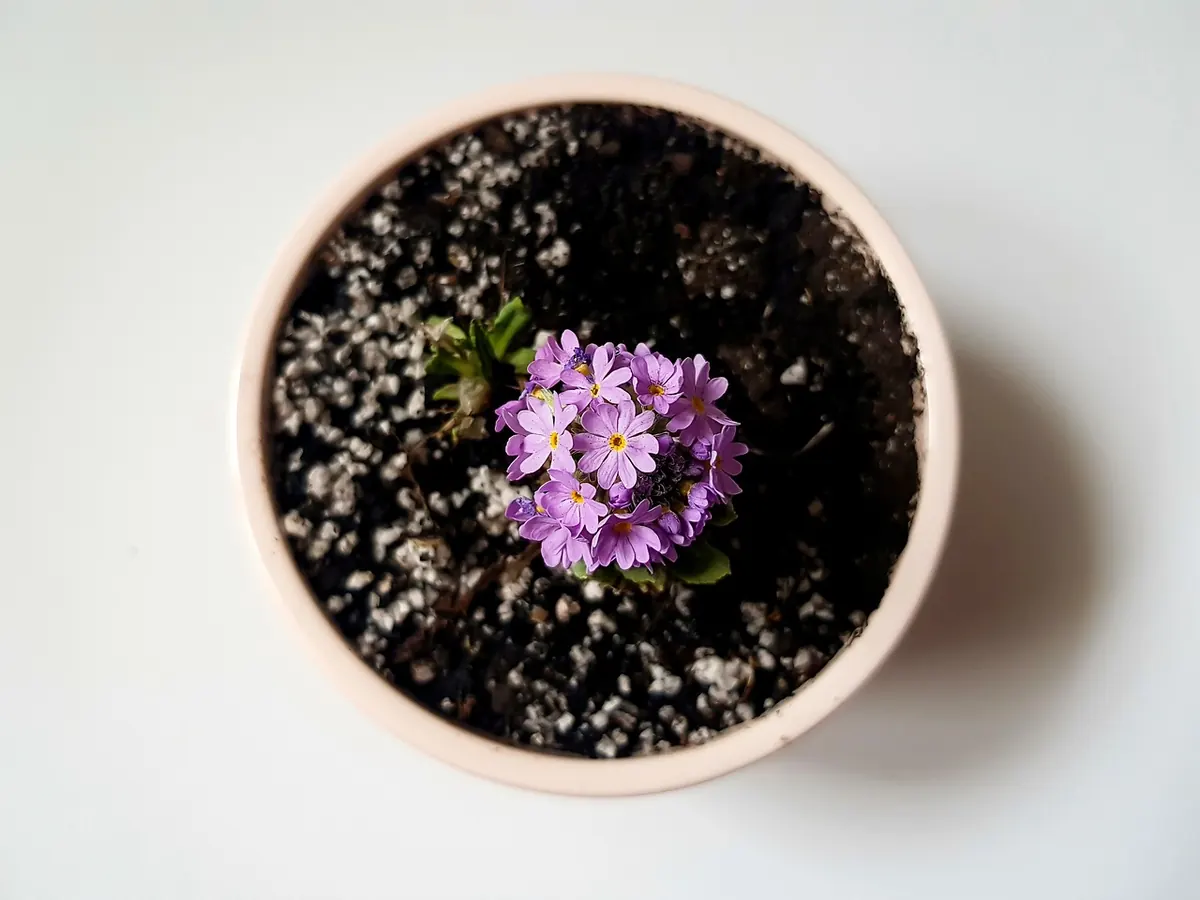
Sage is one of those herbs that often does better in a pot than in the ground, at least in most British gardens. It dislikes sitting in cold, wet soil, and a container gives you control over the thing that matters most: drainage. Get that right, add a sunny spot and a light hand with the watering can, and a single plant will keep you in leaves for years.
What follows is the practical side of container growing — compost, pot size, feeding, pruning, and how to bring a plant through a wet British winter without losing it.
Choosing a pot and the right compost
Start with size. A common sage plant wants roughly a 25–30cm pot, and depth matters as much as width. Sage develops a woody base and a decent root system, and a shallow bowl will dry out too fast in summer and leave the roots more exposed to frost in winter. Terracotta is traditional and works well because it breathes and dries out faster than plastic. Whatever you choose, it needs drainage holes. A saucer underneath is useful in July, but tip the water out after rain rather than letting the pot stand in it.
For compost, aim for something gritty and free-draining rather than rich. A loam-based compost such as John Innes No. 2 mixed with about a quarter to a third horticultural grit is close to ideal. Peat-free multipurpose works too — just add extra grit or perlite, because most multipurpose blends hold more water than sage really wants. Avoid anything described as moisture-retentive, and skip slow-release feed pellets at planting time.
On varieties, common sage (Salvia officinalis) is the toughest and the best choice for a beginner. Purple and golden sages are prettier but slightly less hardy, so give them the most sheltered spot you have.
Planting up: step by step
- Cover the drainage hole with a single broken crock or a few stones — just enough to stop compost washing out, not a thick layer that blocks water.
- Half-fill the pot with your gritted compost.
- Sit the plant in the middle at the same depth it was growing before, with the top of the rootball sitting 2–3cm below the rim so there's room to water.
- Fill around the rootball, firming gently with your fingers as you go. You want to close air pockets, not compact the compost.
- Water thoroughly once and let it drain properly.
- Keep the pot somewhere bright and out of strong wind for a week before moving it to its permanent spot.
Position matters more than most people expect. Sage wants full sun — six hours or more — and shelter from battering wind, which snaps brittle stems. A south- or west-facing wall is ideal, and the extra warmth helps in winter too. If your only option is a shaded patio, the plant will survive but the leaves will be softer, paler and noticeably less aromatic.
Watering and feeding
Through summer
Sage is a Mediterranean herb, so it would rather be a little dry than soggy. Check the compost with your finger: if the top 2–3cm is dry, water until it runs out of the bottom. In a warm spell that might mean every two or three days for a terracotta pot in full sun; in a cool, grey week, once may be plenty. Little and often is the wrong approach — it keeps the compost permanently damp, which is exactly what rots the roots.
Feed lightly. A weak general-purpose liquid feed once every four to six weeks from April to August is plenty. Rich feeding produces lots of soft, sappy growth with diluted flavour, and soft growth is also the first thing to suffer in a cold snap.
Through winter
Ease right off. From October, water only on mild days when the compost has dried out, and never when the pot is frozen or the forecast is for a hard frost. Damp cold compost kills more potted sage in Britain than frost alone.
Pruning, pinching and harvesting
Young plants benefit from pinching out the growing tips when they reach around 10–15cm. This feels brutal, but it triggers side shoots and turns a leggy seedling into a bushy plant. Do it regularly through the first summer.
After that, the main job is a tidy-up after flowering, usually in mid to late summer. Trim the flowered stems back by about a third to keep the plant compact. The important rule is never to cut into the old, leafless woody stems at the base — sage rarely regrows from bare wood, and cutting too hard can leave you with a stump that never recovers.
Harvest by taking leaves and short sprigs from the top and sides, never more than a third of the plant at once. Flavour is strongest just before the plant flowers, so if you want leaves for cooking, pick generously in early summer. Leaving a few flower spikes to open is worth it for the bees, even if the leaves turn a shade more resinous afterwards.
Getting sage through a British winter
Common sage is reasonably hardy, and the real enemy is wet rather than cold. Three things make the biggest difference:
- Raise the pot onto feet, bricks or stones so water drains freely and air moves underneath.
- Move it against a south-facing wall, where the wall radiates warmth and blocks the worst of the rain and wind.
- In cold or exposed areas, wrap the outside of the pot with bubble wrap or hessian, or move the plant into an unheated greenhouse, porch or cold frame.
Don't wrap the foliage itself tightly — air needs to circulate. Water sparingly and don't feed at all between November and March. Plants in small pots are far more vulnerable than those in generous ones, which is one more reason to pot on rather than keeping sage in something cramped.
Pests and problems to watch for
Sage is fairly trouble-free, but a few things turn up regularly:
- Aphids and whitefly — usually on soft new growth in spring. A firm jet of water or a squirt of diluted washing-up liquid spray deals with small colonies.
- Rosemary beetle — a metallic green and purple striped beetle that nibbles leaf edges. Pick them off by hand; they're slow and easy to catch.
- Powdery mildew — grey-white dusting on leaves, usually in still, humid conditions or when plants are crowded. Improve airflow and remove affected leaves.
- Yellowing, wilting leaves — almost always overwatering or a blocked drainage hole. Check the hole before you reach for a feed.
Keeping a pot of sage going for years
Repot in spring every second or third year, into fresh gritty compost and a pot one size up. Take a few stem cuttings in late summer as insurance — they root easily in a small pot of gritty compost on a windowsill, and give you a replacement for an old plant that's gone woody and tired.
Beyond that, the routine is simple: water when the surface dries, feed lightly, pinch the tips, trim after flowering, and keep the pot out of standing water in winter. Do those five things and you'll have fresh sage whenever a recipe asks for it — and a plant that looks good on the patio in the meantime.
Photo: ViktoriyaPavlova / Pixabay