A Beginner's Guide to Starting a Kitchen Herb Garden in a Small UK Flat
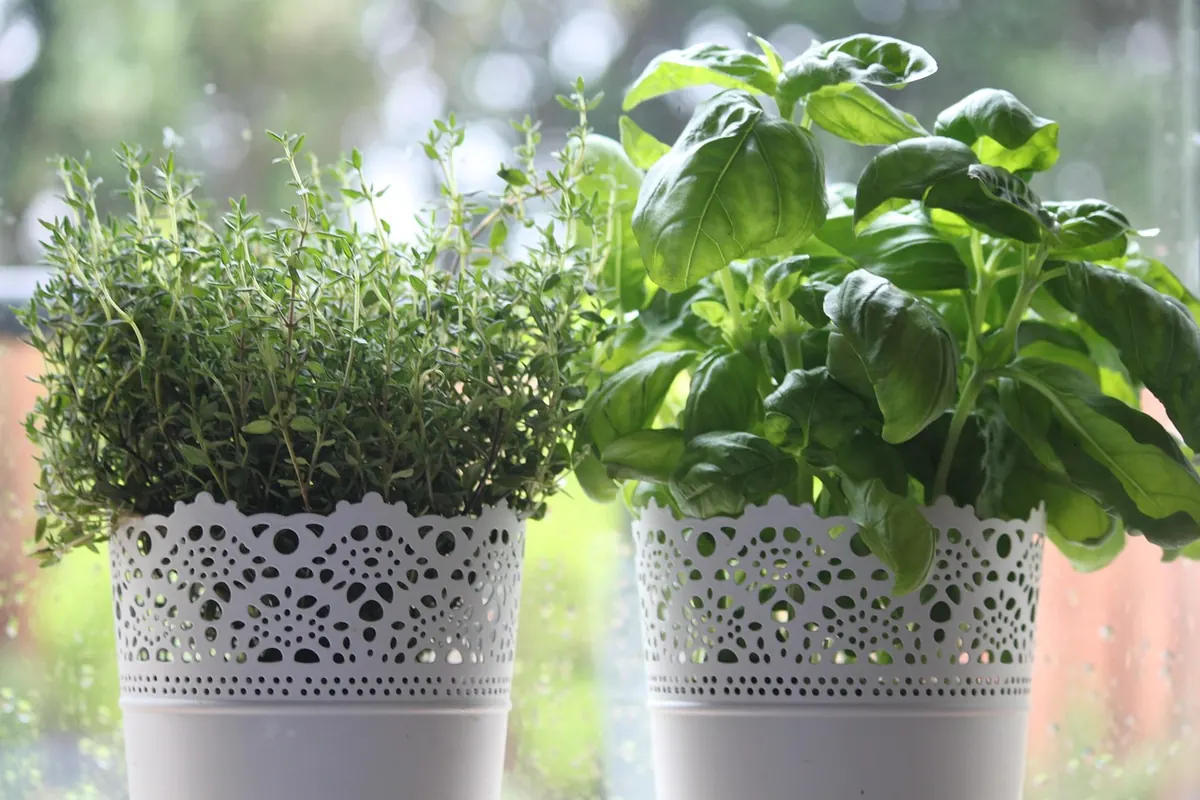
A windowsill is a small piece of ground. It faces one direction, it gets whatever light your street allows through the glass, and it has to survive your central heating. Get those things right and a couple of pots will keep you in fresh herbs for most of the year. Get them wrong and you will buy a supermarket basil that gives up by the weekend, and decide that herbs are difficult. They are not difficult. They are just specific about what they want.
Start with what you actually cook
There is no point nursing a plant you will never use. Before you buy anything, look at the meals you make most weeks. If potato salad and lamb appear regularly, chives and mint matter far more to you than coriander does.
For a flat, these are the herbs that work hardest:
- Basil — the thirstiest for light and warmth. Wants your brightest sill and a warm room, and sulks in cold, draughty spots.
- Parsley — flat or curly, the most forgiving of a dull window, but slow from seed. Give it a deeper pot than you think it needs.
- Chives — tough, hard to kill, and it regrows after cutting. Copes with less sun than most.
- Mint — vigorous to the point of rudeness. Always in its own pot, or it will take over everything else.
- Thyme, rosemary, sage and oregano — sun lovers that hate wet roots. Happier in gritty compost on a south-facing sill.
- Coriander — quick and useful, but bolts fast in heat. Sow a few seeds every few weeks rather than a whole packet at once.
Two or three herbs grown well beat eight grown badly. Space is what you have least of, and attention is what keeps plants alive.
Read your window before you buy a single pot
A south-facing sill gets the most light through the day. East gives you bright mornings and a dim afternoon; west gives the reverse, and gets hotter in summer. North-facing windows are the real challenge, and most flats have at least one.
Do a simple check over one day. Look at the sill at about ten in the morning, at one, and again at four. Note whether you can see actual sun on the surface, or only bright, shadowless light. Then look for what is stealing it: net curtains, a blind you keep half down, the building opposite, a tree, even the grime on the glass.
As a general rule, herbs grown for their leaves — basil, parsley, chives, mint, coriander — cope with less direct sun than the woody Mediterranean ones. If your best window is shaded, choose from the first group. If it is genuinely dark, a small LED grow light on a timer will make far more difference than any amount of feeding, and it costs very little to run. Turn your pots a quarter turn once a week so they do not grow permanently lopsided towards the glass.
Pots, compost and drainage
Almost every indoor herb failure comes back to water sitting where roots cannot breathe. Drainage is not optional.
Terracotta dries out faster and looks good; plastic holds moisture longer and is lighter. Both are fine, but every pot needs holes in the base and a saucer underneath. A single herb wants a pot roughly 15–20cm across. Parsley and mint will use a deeper one. Woody herbs such as thyme and rosemary do best in a free-draining mix, so stir a handful of grit or perlite through ordinary multi-purpose compost. A soil-based compost suits longer-lived plants better than a light peat-free mix that collapses after a few months.
Fill to about two centimetres below the rim so you can water without it running straight over the edge. Bear in mind that wet compost is heavy, and a windowsill tray with a raised lip is worth having if you are in a rented flat or worry about knocks. If the sill is already full of jars and post, a narrow shelf beside the window or a small side table does the same job.
Seeds, supermarket pots or cuttings
All three routes work. They just suit different herbs.
From seed
Best for basil, coriander, parsley and chives. Sow thinly into damp compost, cover lightly, and keep the pot warm and out of direct midday sun until the seedlings appear. Parsley is notoriously slow, so soak the seeds overnight and be patient. Never sow the whole packet at once.
Rescuing a supermarket pot
Those dense pots of basil or parsley hold many seedlings crammed together, which is why they collapse after a fortnight. Tip the whole rootball out, tease it apart gently, and pot up the healthiest plants individually. Some will die. The survivors will give you months instead of days.
Cuttings
Mint and basil root easily in a glass of water on the sill — cut just below a leaf joint, strip the lower leaves, and change the water every few days. Rosemary and thyme are slower; take short soft tips in early summer and keep them humid. For woody herbs, buying one small plant from a garden centre in spring is the quickest and most reliable route.
Watering, feeding and living with radiators
Push a finger two centimetres into the compost. If it feels dry at that depth, water. If it feels damp, wait. Herbs resent soggy roots far more than they resent being briefly dry, and overwatering is the single most common cause of death on a British windowsill.
Water in the morning where you can, and water from below by standing the pot in its saucer for twenty minutes before emptying what is left. Feed lightly — a diluted liquid feed every couple of weeks in spring and summer is plenty for leafy herbs, and almost nothing in winter, when growth slows.
Two flat-specific problems are worth knowing about:
- The radiator below the sill. It dries the compost fast and bakes the leaves. Group pots together to raise humidity, or move them a little further from the heat in deep winter.
- Draughty sash windows. Cold air around wet roots is a bad combination. Check for gaps and keep pots a hand's width away from the glass on freezing nights.
Hard water leaves chalky marks on leaves; wipe them occasionally, or use rainwater if you have any. Watch for greenfly and whitefly on soft new growth, and for tiny flies rising from compost that never dries out — usually a sign you are watering too often.
Harvest so the plants keep producing
Regular picking makes bushier, stronger plants, but always leave enough leaf for the plant to feed itself. Pinch basil above a pair of leaves to force side shoots, and never strip a plant bare. Snip chives down to a few centimetres and they will come again. Take parsley stems from the outside, right at the base. With rosemary, thyme and sage, take short sprigs and avoid cutting back into old, leafless wood, which rarely regrows.
In summer, resow coriander and basil every three or four weeks so you have a younger plant waiting as the older one tires. From autumn, expect everything to slow down. Mint and parsley often carry on; basil usually fades. That is normal, not failure — start again in spring.
Your first month, step by step
- Pick two herbs you genuinely cook with each week.
- Check your brightest sill at three points in the day, and note how much sun actually lands there.
- Buy two pots with drainage holes, two saucers, and a bag of multi-purpose compost.
- Plant, water until it runs into the saucer, then empty the saucer.
- Check the compost daily for the first week — mostly to learn how quickly your particular sill dries out.
- Add a third herb a month later, once the first two are clearly thriving.
Keep it small, keep it near the kettle, and use it. A windowsill garden that gets snipped every few days will outlast any elaborate set-up you forget to water.
Photo: TinaKirk / Pixabay